- Details
- Written by: UserSupport Admin
- Category: Newsflash
- Published:
- Hits: 0 33
AI systems are increasingly taking on tasks traditionally performed by humans. But as AI autonomy grows, so do the challenges of governance, accountability, risk management and security. With the Artificial Intelligence Autonomy Framework (AIAF), we introduce a technology-independent classification model that assesses AI autonomy based on the authority delegated to AI systems. Its five autonomy levels, ranging from AL0 (manual) to AL4 (autonomous AI), provide a common foundation for understanding and evaluating the degree of autonomy in AI-driven environments. The whitepaper explores how the framework can be applied in technical environments and highlights its implications for qualification, benchmarking and the governance of AI-enabled organizations.
Discover how the AIAF framework can help classify, assess and govern AI autonomy responsibly!
Please download the whitepaper here: SPICE Center | intacs.info
- Details
- Written by: UserSupport Admin
- Category: Newsflash
- Published:
- Hits: 0 35
The objective is to extend the existing INTACS® Process Expert training for ISO/IEC 33061 to include System Engineering according to ISO/IEC 33060, enabling a combined assessor certification for both standards. At the same time, the awareness and application of these standards will be increased through targeted activities, such as organizing Gate4SPICE events.
- Details
- Written by: UserSupport Admin
- Category: Newsflash
- Published:
- Hits: 0 139
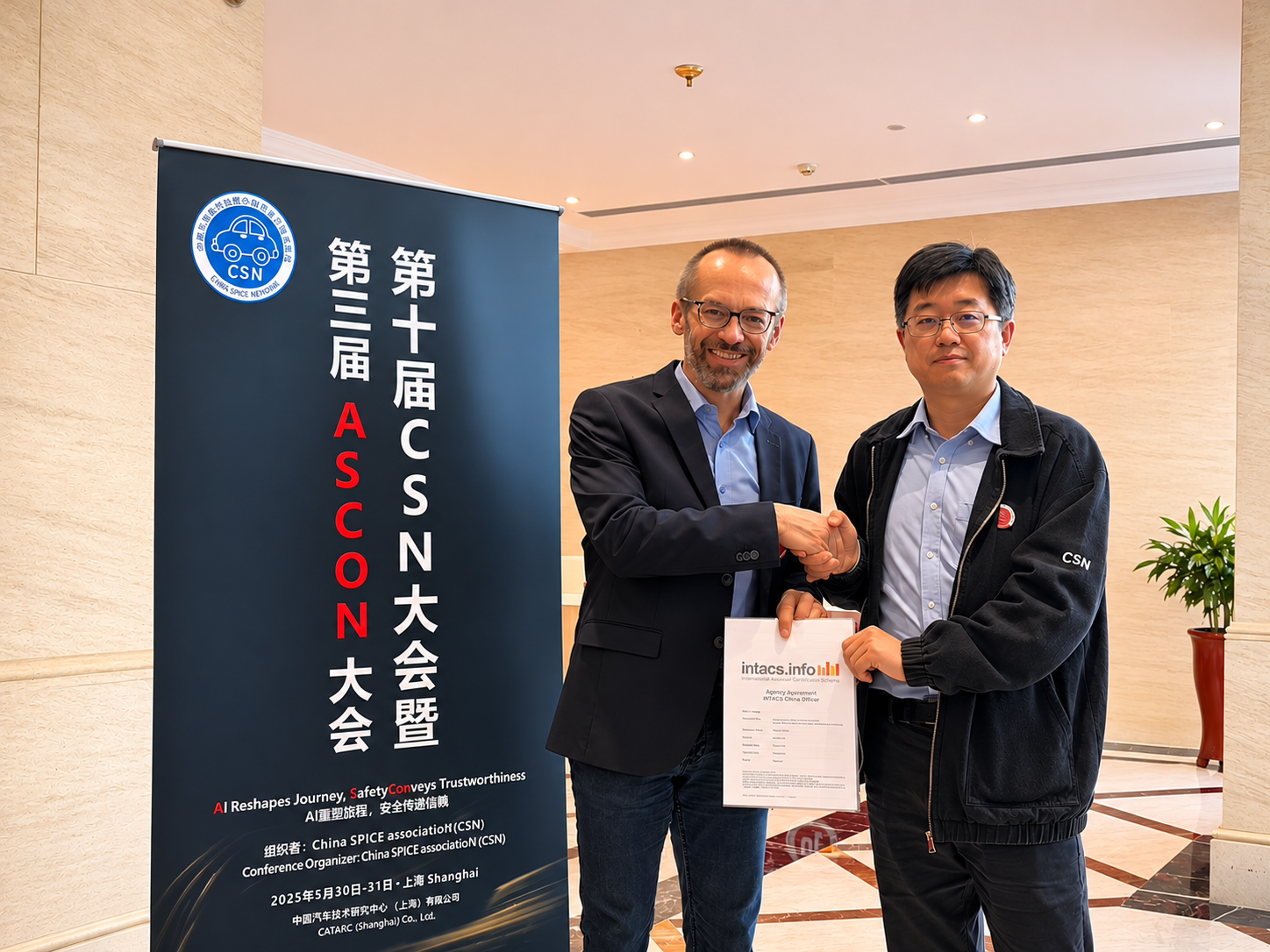
With the official appointment of the iNTACS China Officer, iNTACS is strengthening its international presence and further expanding its cooperation with the SPICE community in China and across the Asia-Pacific region. The iNTACS China Officer represents the interests and activities of iNTACS in the People's Republic of China and the Asia-Pacific region. Key responsibilities include maintaining and developing international relationships, representing iNTACS towards companies and organizations, coordinating local activities, and developing and implementing regional strategic initiatives. Furthermore, the China Officer promotes professional exchange through conferences, events, and publications, thereby supporting the further dissemination and development of SPICE models and methodologies throughout the region. With this appointment, iNTACS sends a strong message in support of closer international collaboration and the sustainable strengthening of the global SPICE community. Dr. Yiqun Wang and Bernhard Sechser signed the contract for the Ascon Conference 2026 in Shanghai.
- Details
- Written by: UserSupport Admin
- Category: Newsflash
- Published:
- Hits: 0 347
We are now making the new training materials for the Automotive SPICE® 4.1 model available on our website. This new training material compares the changes between the versions Automotive SPICE® PAM 4.0 and PAM 4.1. (released on 24 August 2026). The focus is on their impact on process implementation, evaluation, training, and migration. Editorial updates are distinguished from changes that affect process results, procedures, assignments, and interpretations. The official VDA publication remains authoritative, separate training is not required. You can find the training slides under the “Training Material Download” menu item and the video under the “Media” menu item after login. Good luck with your studies!
- Details
- Written by: UserSupport Admin
- Category: Newsflash
- Published:
- Hits: 0 229
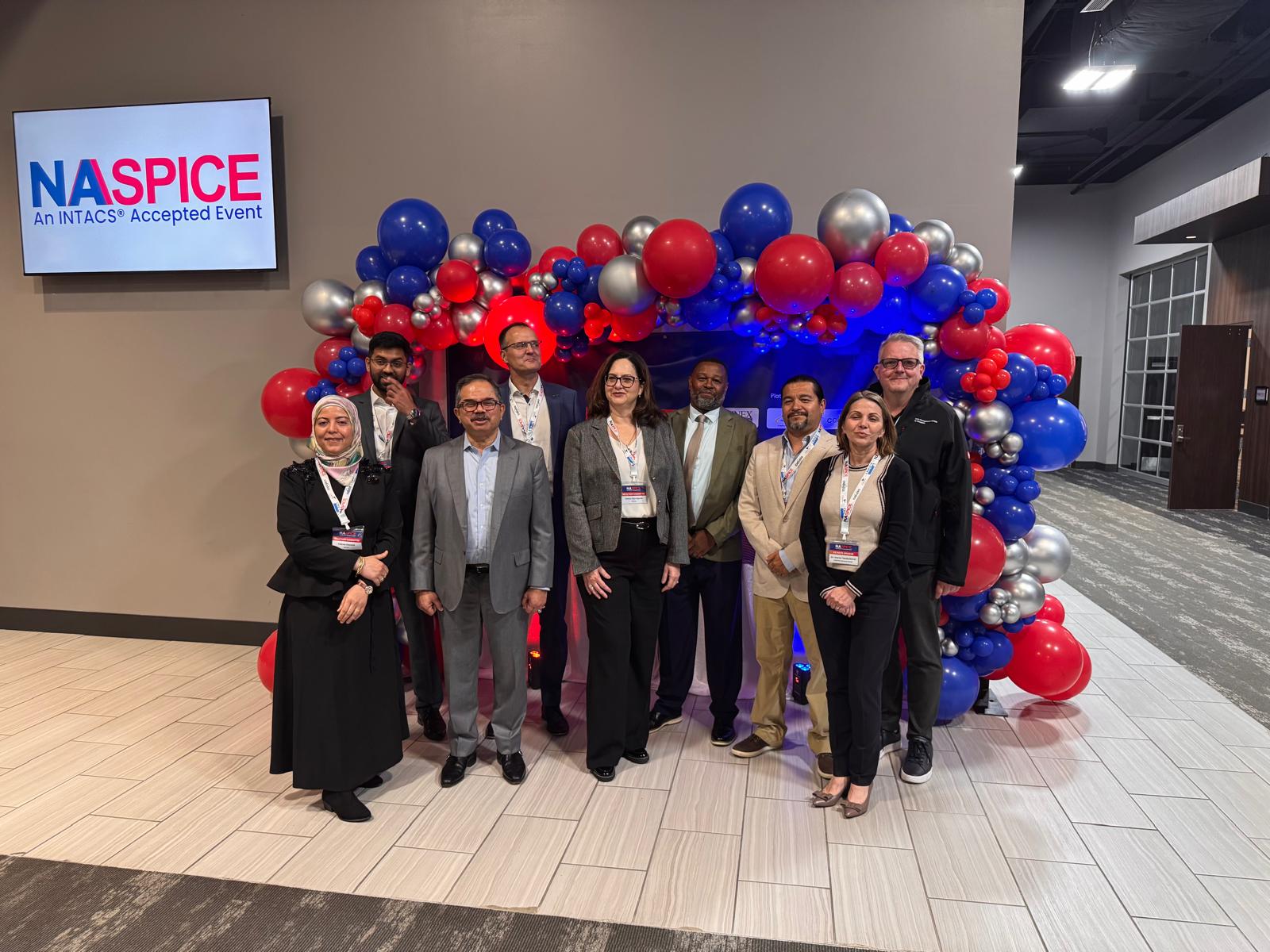
The NASPICE Conference 2026 in Novi has successfully come to an end. The conference brought together experts from academia, research, and practice to discuss current developments, new perspectives, and innovative approaches.
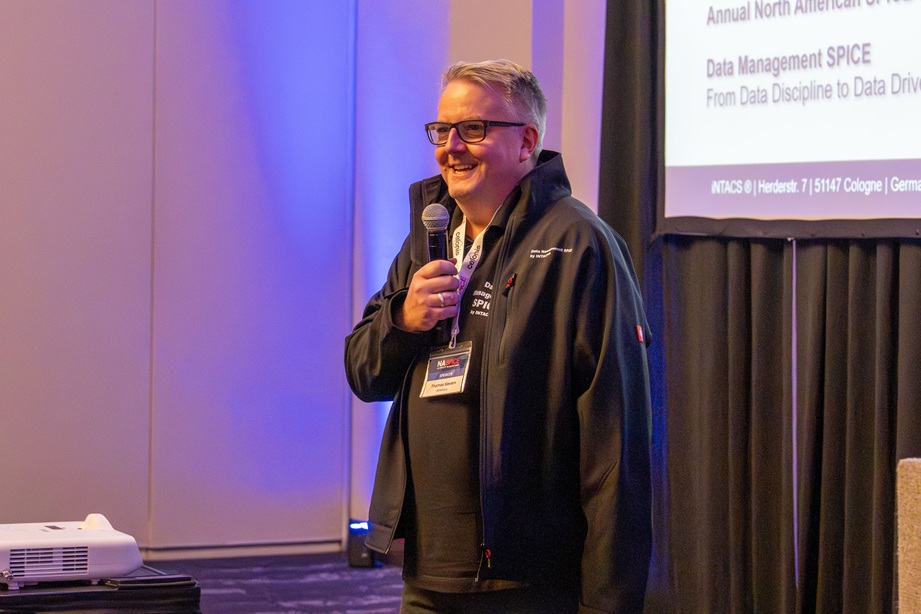
From iNTACS’s perspective, key highlights included the keynote addresses by our Vice President, Dr. Stephan Müller, on iNTACS’s strategic direction, and by Thomas Sievers on the topic of Data Management SPICE. iNTACS will continue to expand its activities in North America and looks forward to continuing strong collaboration with its local partners.
The discussions and ideas shared during the conference will continue to provide important impulses for future research and collaboration.